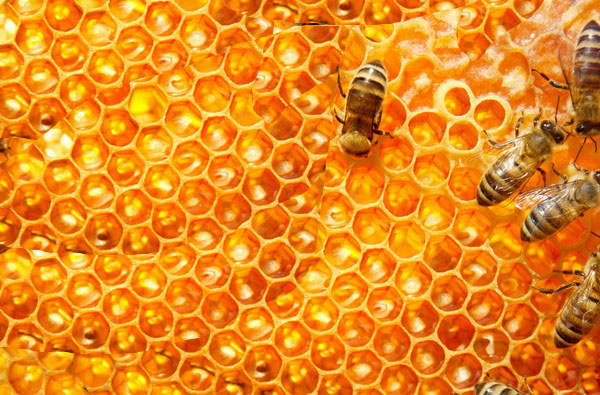
Modern Apiary & Honey Production Project

Modern Beehives in Uganda Honey Harvesting and Processing

Sustainable Beekeeping for Income & Pollination

Agric-Care Uganda's modern apiary project promotes sustainable beekeeping using improved hives (Kenyan top-bar and Langstroth). We train farmers in colony management, honey harvesting, processing, and value addition. Beekeeping requires minimal land, provides high-value products (honey, beeswax, propolis), and boosts crop yields through natural pollination.

Uganda’s honey market is growing rapidly, with demand exceeding local production. Quality honey commands UGX 15,000–25,000 per kg at retail. Modern hives produce 20–40 kg per hive annually – far above traditional log hives (5–10 kg). With low labour requirements and minimal environmental impact, beekeeping is ideal for smallholders, women, and youth.

Our Apiary Services

  • Hive Supply: Quality Kenyan top-bar and Langstroth hives, complete with frames and foundation.
  • Colony Establishment: Supply of nucleus colonies (strong bees with a laying queen) from our apiaries.
  • Training & Mentorship: Hands-on workshops on hive management, pest control, harvesting, and processing.
  • Honey Processing Equipment: Stainless steel extractors, settling tanks, filters, and bottling tools.
  • Market Linkage: Direct connections to honey packers, exporters, and retail outlets.
  • Pollination Services: Placement of hives on fruit and crop farms to increase yields (e.g., sunflower, mango, coffee).

Bee Species & Hive Systems We Promote

🐝 African Honey Bee (Apis mellifera scutellata)

The native bee of Uganda. Highly adapted to local conditions, resilient to pests, and excellent for both honey production and pollination. With proper management, these bees are productive and less aggressive.

  • Honey yield per hive (modern): 20–40 kg per year
  • Swarming tendency: Moderate – manageable with good apiary practice
  • Disease resistance: Good resistance to Varroa mites and American foulbrood
  • Temperament: Can be defensive; requires proper handling and protective gear
  • Foraging range: 3–5 km radius
  • Best for: All regions of Uganda, especially areas with diverse flowering plants

📦 Kenyan Top-Bar Hive (KTBH)

The most popular modern hive in Uganda. Simple construction, low cost, and easy to manage. Bees build natural comb on wooden bars. Ideal for smallholder farmers and beginners.

  • Initial cost per hive: UGX 120,000 – 200,000 (ready-made)
  • Honey yield per year: 15–30 kg (after 2nd year)
  • Advantages: Low cost, no centrifuge needed for harvesting (cut comb), easy to inspect
  • Disadvantages: Lower yield than Langstroth, comb cannot be reused
  • Best for: Small-scale, hobby, or organic honey production

🏭 Langstroth Hive (Modern Frame Hive)

The standard commercial hive worldwide. Uses removable frames with foundation. Allows honey extraction without destroying comb, leading to higher yields and efficiency. Recommended for semi-commercial and commercial beekeepers.

  • Initial cost per hive: UGX 250,000 – 400,000 (complete with frames)
  • Honey yield per year: 30–50 kg (after 2nd year)
  • Advantages: Highest yield, frames reusable, easy to expand with honey supers
  • Disadvantages: Higher initial investment, requires honey extractor
  • Best for: Commercial beekeepers, those targeting high-volume honey sales

🌻 Pollination Service Hives

Strong colonies placed on crop farms during flowering. Farmers pay a fee for pollination, which can increase yields by 30–60% for crops like sunflower, coffee, mango, and watermelon.

  • Pollination fee per hive: UGX 50,000 – 100,000 per month
  • Typical crop yield increase: 30–60%
  • Best crops: Sunflower, coffee, macadamia, avocado, citrus, cucurbits
  • Benefit for beekeeper: Additional income + honey production from same hives
  • Ideal arrangement: Short-term contracts during bloom (2–4 weeks)

💡 Which Hive Should You Start With?

Beginners & smallholders: Start with 5–10 Kenyan Top-Bar Hives (KTBH). Low entry cost, easy management, and no extractor needed.
Semi-commercial (50–100 hives): Use Langstroth hives for higher yields and easier extraction.
Commercial (>200 hives): Langstroth hives with queen rearing program and honey house.

Beekeeping Production Systems

🏡 Backyard / Smallholder (5–20 hives)

Ideal for farmers with limited land. Hives placed near the homestead, garden, or woodlot. Requires minimal daily labour – weekly inspections during peak season. Produces honey for home use and local sale.

  • • Startup (10 KTBH + bees): UGX 1.5M – 2.5M
  • • Annual honey yield: 150–300 kg
  • • Gross annual income: UGX 2.5M – 6M
  • • Labour: 2–3 hours per week
🏞️ Apiary Cluster (50–150 hives)

Suitable for farmer groups, cooperatives, or individual entrepreneurs. Hives placed in a dedicated apiary with good forage (eucalyptus, fruit trees, natural forest). Langstroth hives recommended for efficiency.

  • • Startup (50 Langstroth hives + bees): UGX 12M – 18M
  • • Annual honey yield: 1,500–2,500 kg
  • • Gross annual income: UGX 22M – 45M
  • • Requires honey extractor and processing area
🌼 Commercial Honey Farm (200+ hives)

Full-time beekeeping enterprise with dedicated apiary sites, honey house, and marketing channels. Combines honey production, queen rearing, and pollination contracts.

  • • Startup (200 Langstroth hives + equipment): UGX 50M – 80M
  • • Annual honey yield: 6,000–10,000 kg
  • • Gross annual income: UGX 90M – 200M
  • • Plus income from beeswax, propolis, and pollination
🌾 Integrated Crop-Bee System

Place hives on crop farms (coffee, sunflower, mango, etc.). Bees pollinate crops, increasing yields, while producing honey from crop flowers. Farmer and beekeeper share benefits.

  • • No land cost for beekeeper (host farmer provides space)
  • • Farmer pays pollination fee OR shares honey
  • • Crop yield increase: 30–60% documented
  • • Win-win for food security and income

Starting Your Apiary – Step by Step

🍯 For Beginners (10–20 Hives)

  • Site Selection: We help choose a location with water source, flowering plants, and away from pesticides.
  • Hive Choice: KTBH recommended – we supply ready-made or help you construct locally.
  • Training: 2-day hands-on course: bee biology, hive inspection, pest control, safety.
  • Colony Installation: We provide nucleus colonies (bees, queen, brood) – 1 colony per hive.
  • First Year Management: Regular monitoring, feeding if needed, swarm prevention.
  • Harvesting: First harvest typically after 8–12 months. We demonstrate crush-and-strain or cut-comb methods.
  • Processing & Storage: Settling, filtering, and bottling for market.

🚀 For Commercial Scale (50+ Hives)

  • Feasibility & Forage Mapping: Assess nectar sources, seasonality, and carrying capacity.
  • Apiary Layout & Infrastructure: Hive stands, fencing, honey house, water points.
  • Langstroth Hive Supply: Complete hives with frames, wax foundation, and protective gear.
  • Queen Rearing Training: Produce your own queens for colony expansion and replacement.
  • Honey Extraction Equipment: Stainless steel manual or electric extractor, uncapping tank, settling tanks.
  • Quality Control & Certification: Assistance with moisture content testing, CODEX standards for export.
  • Market Contracts: Connect to bulk buyers, exporters, and fair-trade cooperatives.

Why Beekeeping With Agric-Care Uganda?

🍯 High & Growing Demand

Uganda imports honey to meet local demand. Quality honey retails at UGX 15,000–25,000 per kg. Export potential to regional markets (EU, Middle East) is huge.

🌱 Low Land Requirement

20 hives can be placed on a 50x50 m plot. Beekeeping is ideal for landless farmers, women, and peri-urban dwellers.

🔄 Multiple Income Streams

Honey, beeswax (UGX 10,000–15,000/kg), propolis, pollen, royal jelly, and pollination service fees.

🐝 Pollination Boost

Hives placed on crop farms increase yields by 30–60% for coffee, sunflower, mango, and vegetables. Farmers pay for this service.

💪 Low Labour Input

A skilled beekeeper can manage 100 hives with only 1–2 days of work per week during peak season. Ideal as a part-time or full-time enterprise.

📦 Value Addition Potential

Process honey into creamed honey, candies, or mead. Beeswax for candles, cosmetics, and polishes. Much higher margins.

🎓 Professional Training

Our experienced apiarists provide practical, field-based training on modern beekeeping – not just theory.

🛡️ Integrated Pest Management

We teach control of small hive beetles, ants, wax moths, and Varroa mites using low-toxicity methods.

👩‍🌾 Women & Youth Friendly

Beekeeping requires minimal physical strength. Many successful beekeepers are women and young people.

♻️ Environmentally Beneficial

Bees enhance biodiversity and help conserve forests. Beekeeping discourages deforestation and bush burning.

Investment & Returns Overview

🍯 Smallholder (10 Kenyan Top-Bar Hives)

  • Startup Costs:
  • ▸ 10 KTBH hives @ UGX 150,000 each: UGX 1,500,000
  • ▸ 10 nucleus colonies @ UGX 80,000 each: UGX 800,000
  • ▸ Protective gear (suit, gloves, smoker): UGX 300,000
  • ▸ Basic tools (hive tool, brush, feeder): UGX 100,000
  • ▸ Total startup: UGX 2,700,000
  • Annual Operating Costs:
  • ▸ Sugar for feeding (dry season): UGX 200,000
  • ▸ Replacement of lost colonies (10%): UGX 80,000
  • ▸ Equipment maintenance: UGX 100,000
  • ▸ Total annual costs: UGX 380,000
  • Revenue (Year 2 onward):
  • ▸ 10 hives x 20 kg/hive = 200 kg honey
  • ▸ 200 kg x UGX 18,000/kg (farmgate) = UGX 3,600,000
  • ▸ Beeswax (10% of honey weight) 20 kg x UGX 12,000 = UGX 240,000
  • ▸ Total annual revenue: UGX 3,840,000
  • Net annual profit: UGX 3,460,000
  • Payback period: 10–12 months

🏭 Semi-Commercial (50 Langstroth Hives)

  • Startup Costs:
  • ▸ 50 Langstroth hives @ UGX 320,000 each: UGX 16,000,000
  • ▸ 50 nucleus colonies @ UGX 80,000: UGX 4,000,000
  • ▸ 4-frame manual honey extractor: UGX 800,000
  • ▸ 2 sets protective gear, smoker, tools: UGX 600,000
  • ▸ Honey settling tank & filter: UGX 400,000
  • ▸ Total startup: UGX 21,800,000
  • Annual Operating Costs:
  • ▸ Sugar, medications, replacements: UGX 1,500,000
  • ▸ Labour (part-time beekeeper): UGX 1,200,000
  • ▸ Total annual costs: UGX 2,700,000
  • Revenue (Year 2 onward):
  • ▸ 45 productive hives x 35 kg/hive = 1,575 kg honey
  • ▸ 1,575 kg x UGX 18,000 = UGX 28,350,000
  • ▸ Beeswax (158 kg) x UGX 12,000 = UGX 1,896,000
  • ▸ Total annual revenue: UGX 30,246,000
  • Net annual profit: UGX 27,546,000
  • Payback period: 10–12 months

📊 Sample Budget – 10 KTBH Hives (Year 2)

  • Honey yield (20 kg/hive): 200 kg
  • @ UGX 18,000/kg: UGX 3,600,000
  • Beeswax (20 kg @ UGX 12,000): UGX 240,000
  • Total revenue: UGX 3,840,000
  • Less operating costs: UGX 380,000
  • Net profit: UGX 3,460,000
  • Profit per hive: UGX 346,000
  • Return on investment (ROI): 128%

📌 Important Notes on Beekeeping Economics in Uganda

  • 🔹 Honey prices (2025): Farmgate UGX 15,000–20,000/kg; retail UGX 20,000–30,000/kg. Our budget uses a conservative UGX 18,000/kg.
  • 🔹 Nucleus colony (5-frame nuc): UGX 70,000–100,000 depending on strength and queen quality.
  • 🔹 Modern hive costs: KTBH UGX 120,000–200,000; Langstroth (complete with frames & foundation) UGX 250,000–400,000.
  • 🔹 Honey yield per hive: Traditional log hives 5–10 kg; KTBH 15–30 kg; Langstroth 30–50 kg (with good forage).
  • 🔹 First year: Do not harvest much – allow colony to establish. Full production starts year 2.
  • 🔹 Main risks: Pests (small hive beetle, wax moth, ants), drought (lack of forage), and theft. Training and secure apiaries mitigate these.
  • 🔹 Value addition: Selling processed honey in bottles (UGX 25,000–30,000 per 500g jar) can double your revenue.

Returns vary based on forage availability, management skills, and market access. Our training and support help you achieve yields at the higher end of these ranges.

Ready to Start Your Apiary?

Join Agric-Care Uganda's beekeeping programme and access quality hives, strong colonies, professional training, and guaranteed market linkages. Whether you want 10 hives in your backyard or 500 hives for commercial production, we have a package for you. Let's build a buzzing enterprise together.

Start Beekeeping Request Site Assessment

Get Expert Apiary Guidance

Our experienced apiarists are ready to help you choose the right hive type, select a suitable site, and master modern beekeeping techniques. Contact us for a free consultation and on-farm assessment.

📧 Schedule Consultation 📞 Call Now
×
WhatsApp Chat with us
Hello! 👋
Have any questions about our projects?
Click below to chat with our team directly on WhatsApp.